Smart home security integration gives homeowners more control, better visibility, and greater convenience when protecting their property. Instead of relying on separate devices that operate independently, an integrated system allows cameras, alarms, smart locks, sensors, intercoms, and mobile access to work together as one connected solution. For many homeowners, this means stronger security, faster alerts, easier monitoring, and a more practical day-to-day experience.
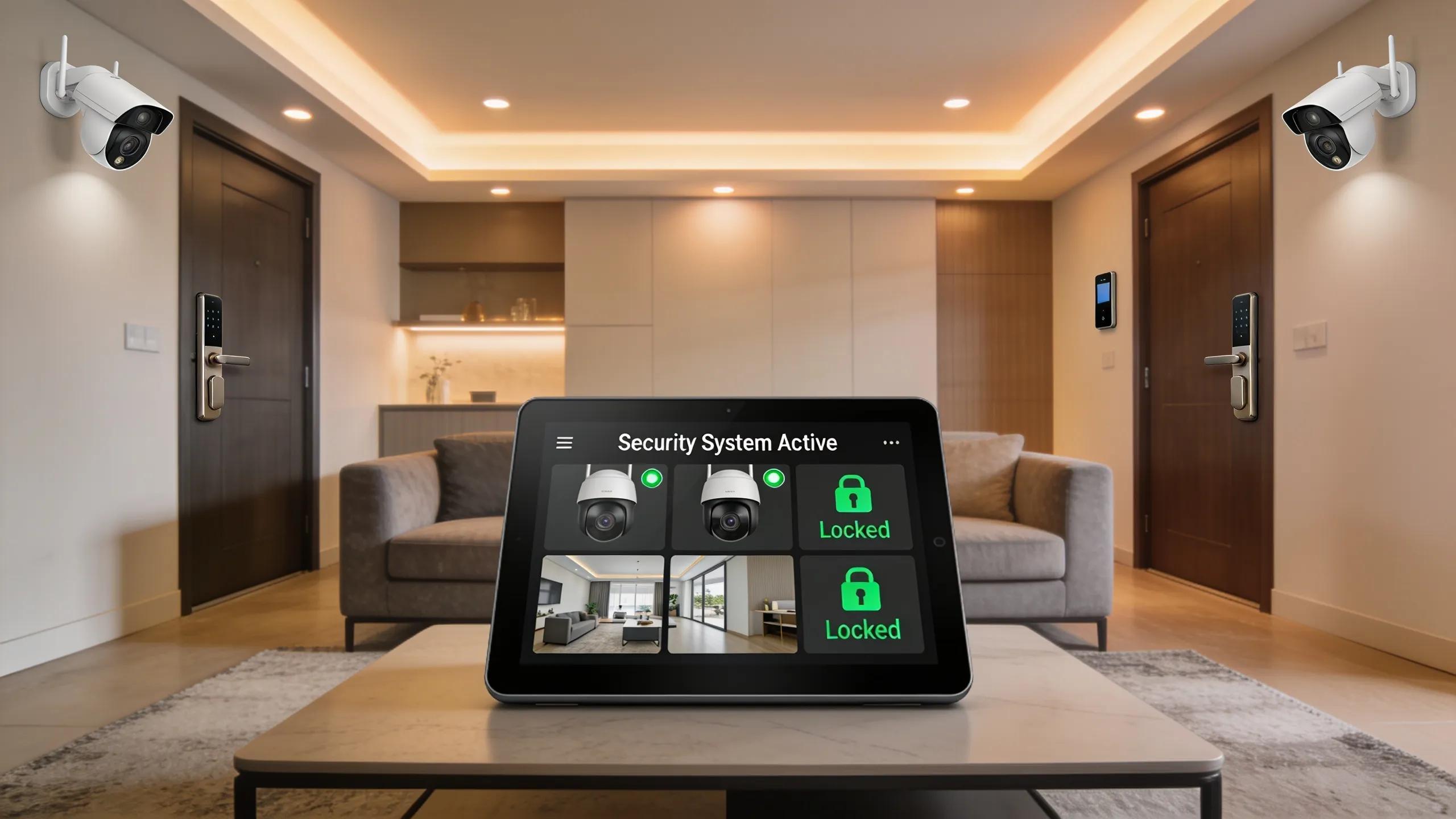
At CTC Communications, we help homeowners across Sydney choose smart security systems that suit their layout, lifestyle, and level of protection required. Whether you want remote access to your CCTV, a smart alarm system, app-controlled locks, or a full integrated solution, understanding your options can help you build a system that is both secure and easy to use.
This guide explains the benefits of smart home security integration, the most popular devices available, and why professional installation often delivers the best long-term result.
What Is Smart Home Security Integration?
Smart home security integration means connecting multiple security devices so they work together through a central system or app. Rather than treating your cameras, alarms, door locks, sensors, and intercoms as separate products, an integrated setup allows them to communicate and respond together.
For example, an integrated system may allow you to:
- receive an alert when motion is detected
- view the triggered camera instantly on your phone
- unlock or lock a door remotely
- arm or disarm your alarm through an app
- check whether doors are secure while away
- manage visitors through an intercom-linked entry system
This creates a more connected and efficient approach to home security.
Why Homeowners Choose Integrated Smart Security
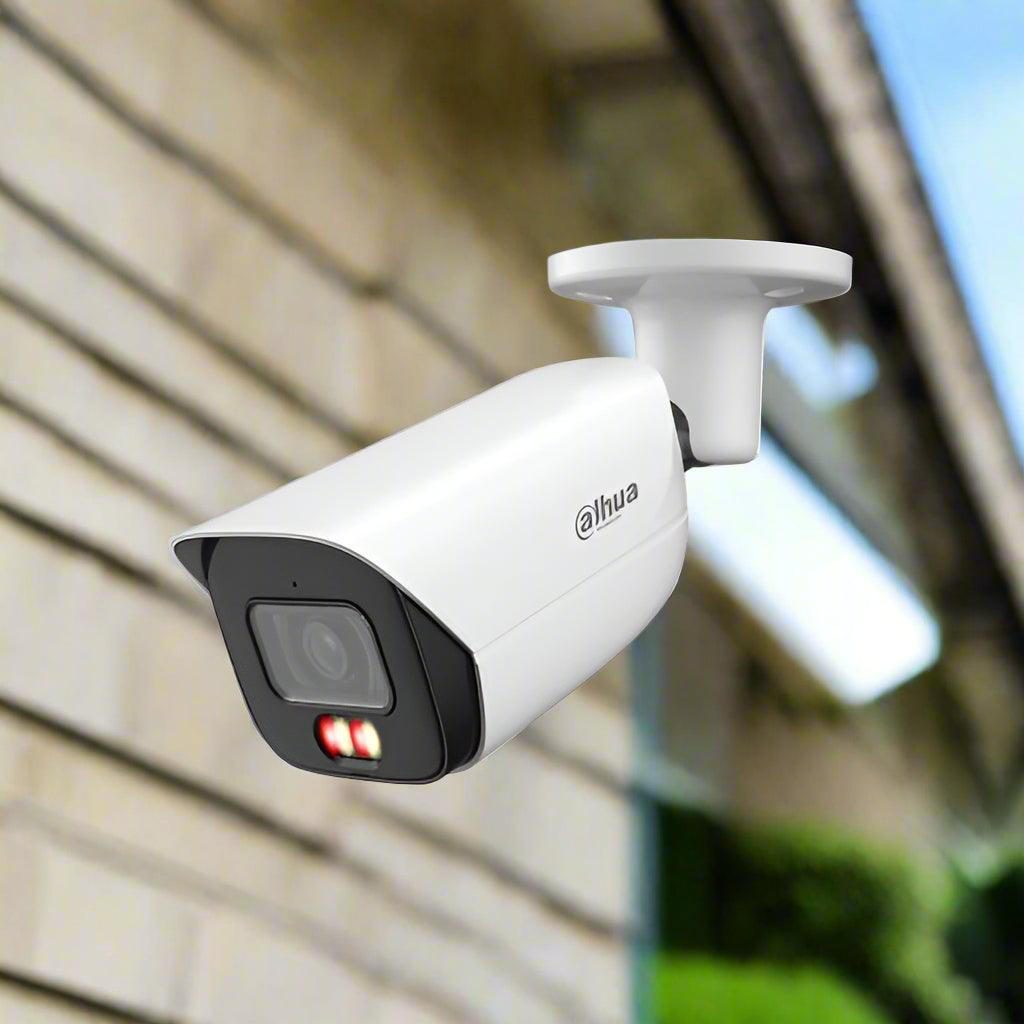
One of the main reasons homeowners move toward integrated smart security is convenience. Instead of checking multiple apps or relying on disconnected systems, they can manage their home security more easily from one central point.
Key benefits include:
- easier control of multiple devices
- remote access from your smartphone
- faster awareness of security events
- improved day-to-day convenience
- stronger overall home protection
- better coordination between cameras, alarms, and entry systems
Integrated systems can also make it easier to respond to activity quickly, even when you are not at home.
Remote Monitoring and Better Visibility
A major benefit of smart home security integration is remote monitoring. Homeowners can check in on their property at any time using their smartphone, tablet, or connected device.
This can allow you to:
- view live camera footage
- review recorded events
- receive motion or alarm alerts
- see who is at the front door
- check the status of locks or access points
- monitor the home while travelling or at work
For busy households, this level of visibility can add both security and peace of mind.
Smart Security Cameras and CCTV Integration
Cameras remain one of the most important parts of a smart home security setup. Integrated CCTV or WiFi security cameras can provide live viewing, event alerts, recording, and better visibility around key areas of the property.
Popular uses include:
- front door monitoring
- driveway coverage
- backyard surveillance
- garage and side access monitoring
- internal entry area observation
When cameras are integrated into the wider smart home security system, they become even more useful. A triggered alarm or sensor can work alongside cameras to provide immediate visual confirmation of what is happening.
How WiFi Security Cameras Support Smart Integration
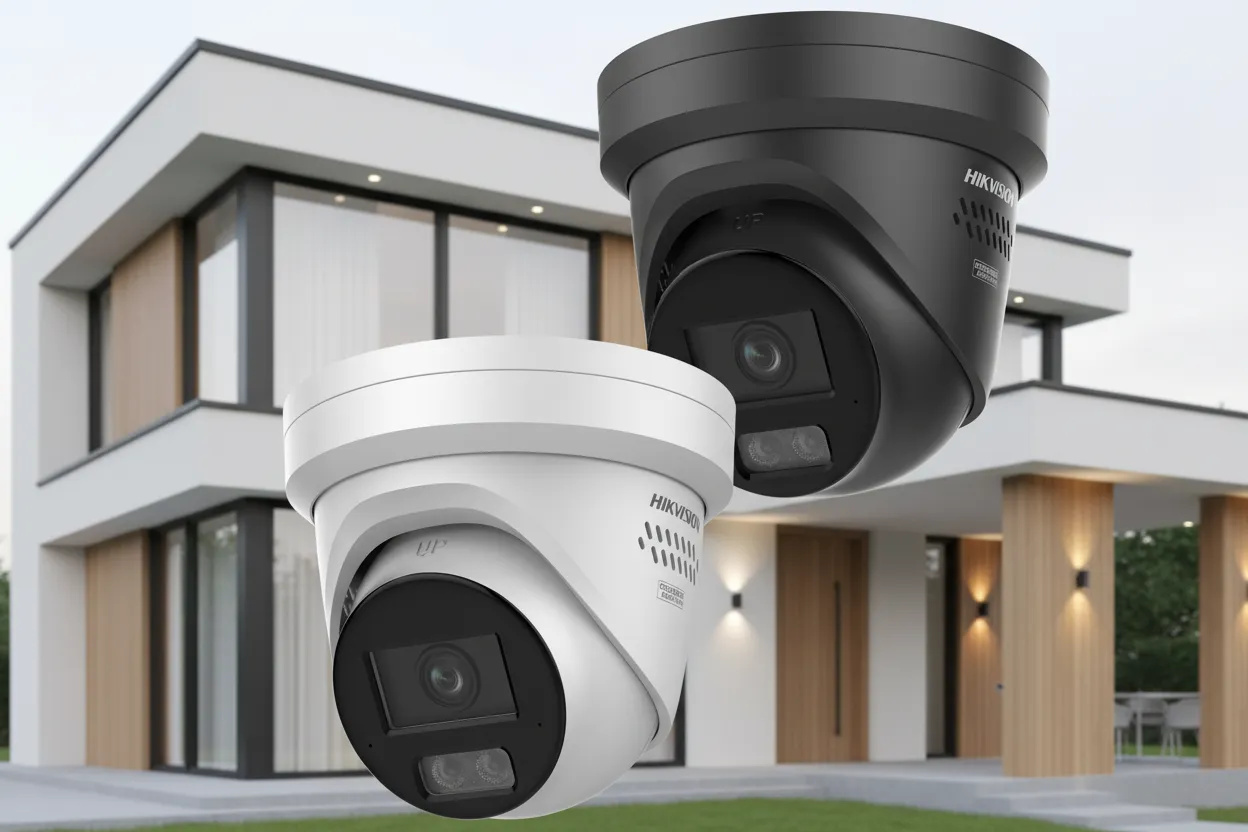
WiFi security cameras are popular because they are easy to access remotely and can fit well into a smart home environment. They can send alerts when movement is detected and allow homeowners to view activity from almost anywhere.
Benefits of integrated WiFi cameras include:
- app-based control
- live viewing on demand
- motion alerts
- flexible placement in suitable locations
- easier monitoring without always needing a full wired system
For many homeowners, they are a practical way to add smart surveillance to key areas of the home.
CCTV Systems for Stronger Long-Term Protection
While WiFi cameras can be convenient, professionally installed CCTV systems often provide stronger long-term coverage and more stable performance, especially for full-property surveillance.
Integrated CCTV systems can offer:
- continuous recording
- stronger image quality
- better storage options
- broader external coverage
- improved reliability
- easier connection with alarms and access control
For larger homes or customers wanting stronger full-home protection, integrated CCTV is often the preferred option.
Smart Locks and Keyless Entry Options
Smart locks are another major part of home security integration. They replace or enhance traditional locking methods by allowing homeowners to lock and unlock doors electronically.
Smart locks can offer:
- keyless entry
- remote locking and unlocking
- temporary access for visitors
- easier control over family access
- notifications when doors are unlocked or opened
This can be especially useful for busy households, deliveries, guests, cleaners, or managing entry while away from home.
Sensors and Motion Detection in Smart Security Systems
Sensors help smart security systems respond quickly when something changes. They may detect movement, door openings, or unusual activity and then trigger alerts or linked actions.
Integrated sensors can support: dahua wireless alarm system starter kit
- immediate app notifications
- alarm activation
- camera-triggered recording
- door and window monitoring
- stronger awareness of suspicious movement
Used correctly, sensors help make the system more responsive and improve overall home awareness.
Smart Alarms and Connected Home Protection
An alarm system remains a core part of many home security setups, and smart alarm systems make protection more flexible and easier to manage.
Integrated smart alarms can allow homeowners to:
- arm and disarm remotely
- receive instant alerts
- connect alarm events to cameras
- manage access more efficiently
- check system status in real time
For many households, the best result comes from combining alarms with cameras, sensors, and controlled entry points rather than relying on one device alone.
Intercoms and Front Entry Integration
For homes with gates, front doors, or visitor entry points, smart security integration may also include an intercom system. This allows homeowners to see or speak with visitors and control access more easily. intercom system.
Integrated intercom systems can be used to: leading brands of intercom systems
- verify visitors before opening the door
- release gates or doors remotely
- improve front entry security
- link visitor activity with surveillance
This is especially useful for homes wanting both convenience and stronger visitor management.
What Devices Can Be Integrated in a Smart Home Security System?
A smart home security setup can include a wide range of connected devices depending on the property and the homeowner’s priorities.
Common integration options include:
- security cameras
- CCTV systems
- smart alarms
- smart locks
- motion sensors
- door and window sensors
- video intercoms
- entry release systems
- mobile app access
- remote monitoring tools
The right combination depends on your home layout, entry points, and how you want the system to work day to day.
Why Professional Installation Matters
Professional installation can make a major difference in how well an integrated smart home security system performs. Even high-quality devices can underperform if they are installed in the wrong places, connected poorly, or not configured properly.
Professional installation helps with:
- correct camera positioning
- proper sensor placement
- reliable integration between devices
- better coverage of vulnerable areas
- cleaner installation
- improved long-term reliability
- guidance on using the system correctly
For homeowners wanting a dependable and user-friendly setup, expert installation is often the best investment.
The Typical Installation Process
A professionally installed integrated smart security system usually follows a structured process to ensure the right devices are chosen and fitted properly.
This often includes:
- assessing the property layout
- identifying key security risks and entry points
- selecting suitable devices
- planning camera, lock, and sensor locations
- installing and connecting the system
- testing all devices and integrations
- setting up user access and app control
- showing the homeowner how to use the system
This process helps ensure the system works properly from day one.
Why Choose Professional Installation Over DIY?
DIY smart security products can suit some smaller setups, but professionally installed systems are often more reliable and better suited to full-home protection.
Professional installation is often the better option when:
- you want full-property coverage
- multiple devices need to work together
- you want stronger long-term reliability
- the home has several entry points
- correct camera and sensor placement matters
- you want advice tailored to your property
Professionally installed systems are also less likely to suffer from poor device placement, weak integration, or setup errors that reduce effectiveness.
Understanding Pricing and Security Packages
The cost of an integrated smart home security system can vary depending on the number of devices, the level of technology, and the complexity of installation.
Pricing is usually influenced by:
- number of cameras
- alarm system type
- smart lock requirements
- intercom integration
- property size
- installation complexity
- whether professional monitoring is involved
- level of app or remote access functionality
The best value comes from choosing a package that matches the real needs of the home rather than simply selecting the most features.
Common Smart Security Package Options
Depending on the home and budget, integrated security packages may include:
- CCTV and camera systems
- smart alarm kits
- smart lock entry solutions
- intercom and gate access systems
- combined camera and alarm packages
- tailored home security packages using Hikvision and similar products
A good package should reflect how the property is used and what areas need the most protection.
Choosing the Right Smart Home Security System
The right integrated system depends on the home, the family’s routine, and the level of control required.
As a general guide:
- choose integrated cameras if visibility is your main priority
- choose smart alarms if fast alerts matter most
- choose smart locks if controlled entry is important
- choose intercom integration for stronger visitor management
- choose a full integrated system if you want the best all-round protection
For many homeowners, the best setup is a layered system where cameras, alarms, sensors, and entry control all work together.
Why Homeowners Choose CTC Communications
CTC Communications helps homeowners across Sydney choose practical security systems that balance convenience, protection, and long-term value. We supply and install integrated security solutions designed for real homes and everyday use, including CCTV, alarms, smart locks, intercoms, and access control systems.
Whether you want a simple connected camera setup or a fully integrated smart home security system, our team can help tailor a solution that works for your property and lifestyle.
FAQs
What is smart home security integration?
Smart home security integration means connecting devices such as cameras, alarms, smart locks, sensors, and intercoms so they work together through one system or app for easier monitoring and control.
What are the benefits of an integrated smart home security system?
The main benefits include better convenience, remote access, faster alerts, easier device control, improved visibility, and stronger overall protection for the home.
Can smart home security systems be controlled from a phone?
Yes, many integrated smart home security systems can be controlled through a smartphone app, allowing homeowners to view cameras, receive alerts, manage locks, and monitor alarms remotely.
Are WiFi security cameras enough for home security?
WiFi security cameras can be useful for remote monitoring and selected areas, but many homeowners benefit from combining cameras with alarms, sensors, and access control for a more complete security solution.
Do smart locks improve home security?
Yes, smart locks can improve home security by allowing keyless entry, remote locking, temporary access for visitors, and better visibility over door access events.
Why is professional installation important for smart home security?
Professional installation helps ensure cameras, sensors, alarms, and locks are positioned correctly, connected properly, and configured for reliable long-term performance.
What devices can be included in an integrated home security system?
Common devices include CCTV cameras, WiFi cameras, alarms, smart locks, motion sensors, door and window sensors, intercoms, and app-based monitoring tools.
How much does an integrated smart home security system cost?
The cost depends on the number of devices, the technology used, property size, and installation complexity. Tailored systems vary depending on the level of protection and integration required.
can you do a call to action code at the bottom of the blog Shop Smart Home Security, https://www.ctccommunications.com.au/collections/security-alarm-system-with-cctv-integration
Comments
Post a Comment