Discover how back-to-base alarm monitoring protects Central Coast homes and businesses 24/7 — covering IP, 4G and dual-path monitoring, alarm response and what happens when your alarm activates.
A professionally monitored alarm system is one of the most effective ways to protect your home, business, warehouse or commercial property. While alarm systems can deter intruders, their true value comes from what happens when an alarm activates.
Back-to-base alarm monitoring ensures that alarm signals are received and acted upon by a dedicated monitoring centre 24 hours a day, 7 days a week. In this guide, we'll explain how alarm monitoring works, why it matters, and how businesses across the Central Coast benefit from professional monitoring services.
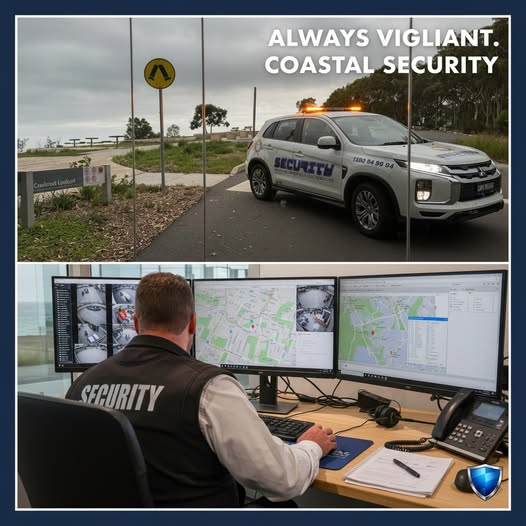
What Is Back-to-Base Alarm Monitoring?
Back-to-base alarm monitoring is a security service where your alarm system is connected directly to a professional monitoring centre. When your alarm is triggered, the monitoring centre immediately receives the signal and follows a pre-determined response procedure.
Rather than relying on you to see a notification on your phone, trained operators are available around the clock to assess alarms and initiate the appropriate response.
Learn more about our Alarm Monitoring Services.
How Back-to-Base Monitoring Works
The process is straightforward but highly effective.
Step 1: Alarm Activation
An alarm signal is generated when:
- An intruder is detected
- A door or window is opened
- A panic button is activated
- A smoke detector triggers
- A system fault occurs
Step 2: Signal Sent to Monitoring Centre
The alarm panel communicates with the monitoring centre using one or more communication paths.
Step 3: Alarm Verification
Monitoring operators assess the alarm signal and review the response instructions linked to your account.
Step 4: Response Action
Depending on the situation, operators may:
- Contact keyholders
- Dispatch security patrol officers
- Contact emergency services
- Escalate according to your instructions
Communication Paths Explained
Modern alarm monitoring systems use several communication methods.
IP Monitoring (Internet/NBN)
IP monitoring sends alarm signals via your internet connection. Benefits include fast communication, cost-effective operation and reliability under normal network conditions. However, if internet connectivity is lost, communication may be interrupted unless a backup path is installed.
4G/LTE Monitoring
Cellular monitoring uses the mobile phone network to transmit alarm events. Benefits include independence from internet services, continued operation during NBN outages, and reliable backup communication. Many businesses choose 4G monitoring for added resilience.
Dual-Path Monitoring
Dual-path monitoring combines both IP and 4G communication, providing maximum reliability with automatic failover if one path fails. Dual-path monitoring is often recommended for commercial properties, warehouses and higher-risk sites.
Why Back-to-Base Monitoring Is Better Than Self-Monitoring
Many modern alarm systems allow notifications to be sent directly to a smartphone. While this can be useful, it has limitations. If you're sleeping, in a meeting, travelling, out of mobile coverage or on holiday, you may miss critical alarm notifications.
A monitoring centre is staffed 24 hours a day, every day of the year. Alarm signals are received and acted upon regardless of whether you're available — significantly reducing the risk of delayed responses.

Benefits of Back-to-Base Alarm Monitoring
24/7 Protection
Your property remains monitored around the clock, including weekends and public holidays.
Faster Incident Response
Alarm activations are assessed immediately, helping minimise response times.
Reduced Risk of Property Loss
Quick action can help limit theft, vandalism and property damage.
Peace of Mind
Whether you're at work, at home or overseas, you know your property is being monitored by security professionals.
Integration with Mobile Patrols
Monitoring becomes even more effective when combined with professional Mobile Patrol Services. If an alarm activates, security patrol officers can attend the property to investigate and secure the site.
Who Should Consider Alarm Monitoring?
Commercial Businesses
Businesses often contain valuable stock, equipment and sensitive information that require protection outside operating hours.
Warehouses and Industrial Sites
Large facilities can be difficult to secure without monitored alarm systems and patrol response.
Retail Stores
Retail businesses benefit from rapid response to alarm activations and after-hours incidents.
Vacant Properties
Unoccupied buildings are often targeted by trespassers and vandals. Monitoring provides an additional layer of protection.
Residential Properties
Homeowners gain peace of mind knowing professional operators are monitoring their alarm system around the clock.
Alarm Monitoring and Alarm Response
Monitoring is only one part of a complete security solution. When an alarm activates, someone may still need to attend the property. Combining alarm monitoring with mobile patrol response provides a comprehensive approach to property protection.
The monitoring centre receives the signal, and security officers can be dispatched to investigate, assess the situation and take appropriate action.
Common Alarm Signals Monitored
Professional monitoring centres can receive a range of alarm events, including:
- Intruder alarms
- Panic alarms
- Duress alarms
- Smoke detector alarms
- Medical alerts
- System faults
- Power failures
- Communication failures
Choosing the Right Alarm Monitoring Provider
When selecting an alarm monitoring provider, consider:
- 24/7 monitoring capability
- Australian-based monitoring centres
- Dual-path communication options
- Mobile patrol response services
- Fast incident escalation procedures
- Local Central Coast support
- Experience with commercial security systems
A quality provider will tailor monitoring procedures to suit your property and risk profile.
Why Choose Coastal Protective Services?
Coastal Protective Services provides professional alarm monitoring solutions for businesses and properties across the Central Coast. Our services include 24/7 alarm monitoring, commercial alarm monitoring, dual-path monitoring solutions, alarm response coordination, mobile patrol attendance and local Central Coast support.
We help businesses and property owners maintain reliable protection around the clock.
Contact Coastal Protective Services
Looking for reliable alarm monitoring on the Central Coast? Our team can help you select the right monitoring solution for your property and security requirements.
Contact Coastal Protective Services today to discuss your alarm monitoring options.
Frequently Asked Questions
What is back-to-base alarm monitoring?
Back-to-base monitoring connects your alarm system to a professional monitoring centre that receives alarm signals and initiates response procedures 24 hours a day.
What happens when my alarm activates?
The monitoring centre receives the signal, assesses the event and follows your agreed response plan, which may include contacting keyholders or dispatching security patrol officers.
Is dual-path monitoring worth it?
Yes. Dual-path monitoring provides the highest level of reliability by using both internet and cellular communication paths.
Can alarm monitoring be used for businesses and homes?
Yes. Alarm monitoring is suitable for commercial, industrial and residential properties.
Does alarm monitoring work during internet outages?
If your system includes 4G or dual-path communication, alarm signals can continue to be transmitted even when internet services are unavailable.
Comments
Post a Comment